
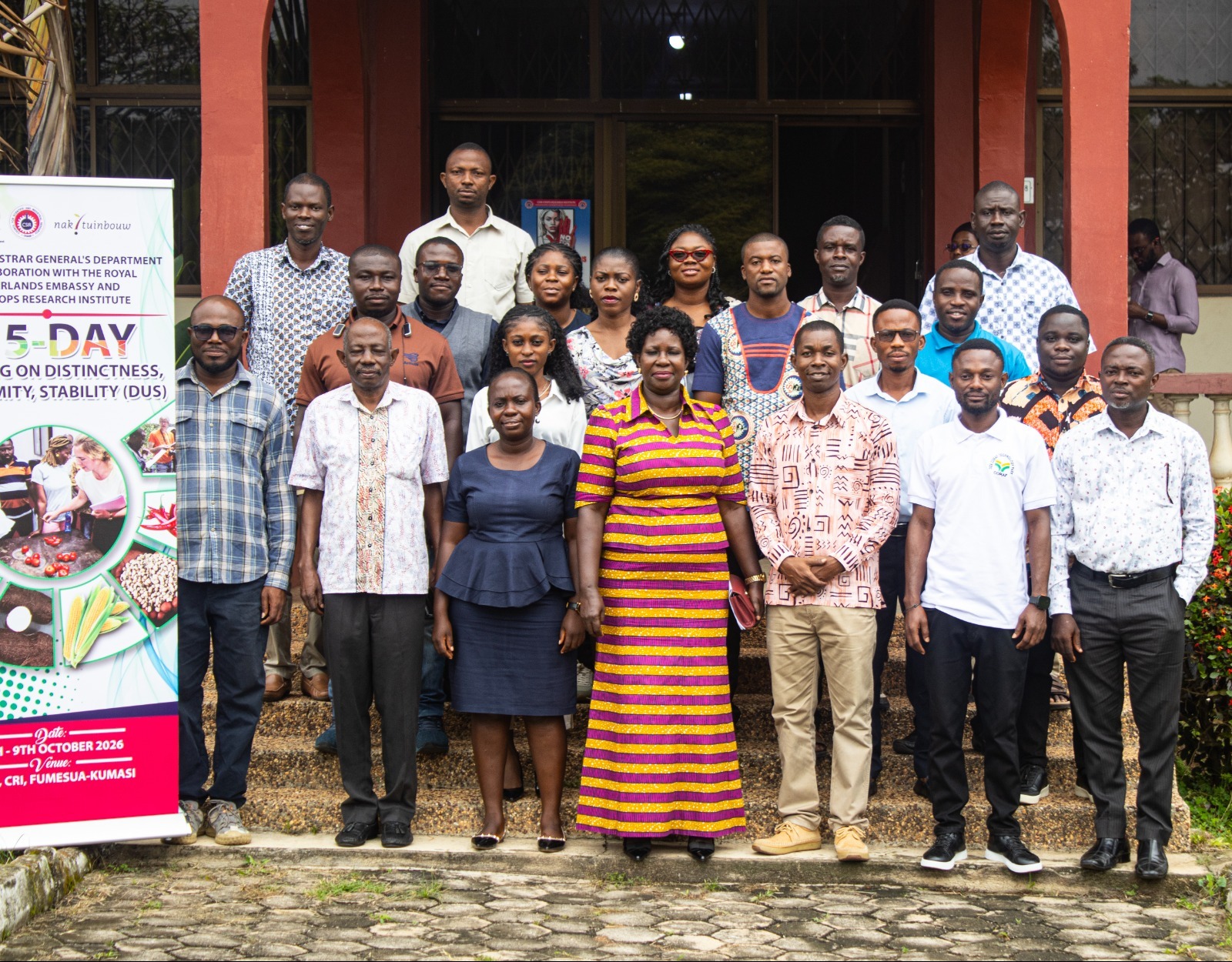
The Council for Scientific and Industrial Research–Crops Research Institute (CSIR-CRI), Ghana’s designated National Distinctness, Uniformity and Stability (DUS) Testing Centre, has hosted the Third National DUS Training Workshop for young scientists, marking another important step towards strengthening the country’s capacity for plant variety examination and protection.
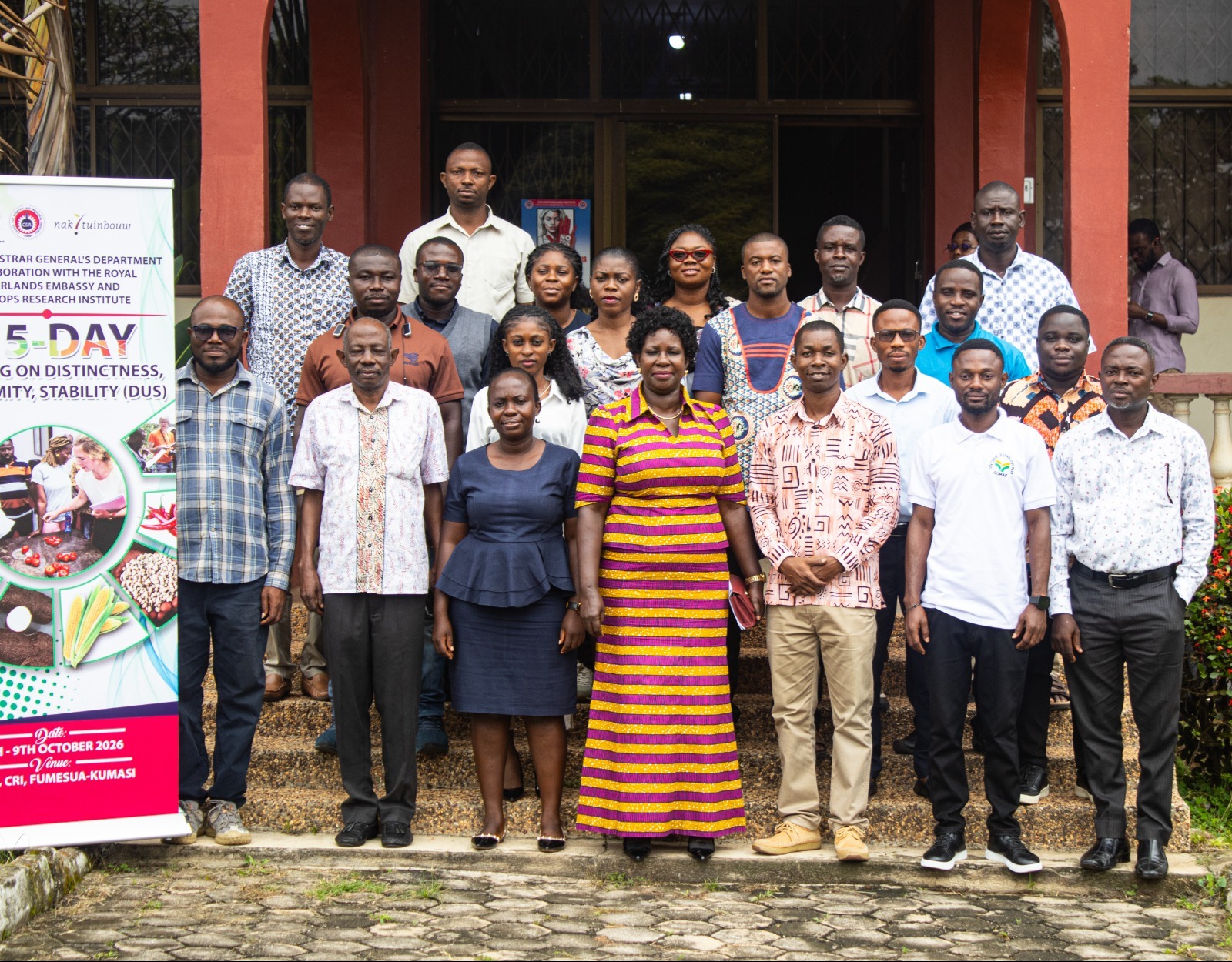
The five-day workshop, held from 6 to 9 October 2026 at CSIR-CRI, Fumesua, Kumasi, was organised in collaboration with the Ghana Industrial Property Office (GHIPO) under the Registrar-General’s Department, with technical support from Naktuinbouw of the Netherlands.
The training forms part of efforts to support the implementation of Ghana’s Plant Variety Protection Act, 2020 (Act 1050), and its accompanying Regulations, Legislative Instrument 2463 of 2022 (L.I. 2463).
Since the national training programme began in 2024, CSIR-CRI has facilitated three editions, collectively training more than 50 participants. This third edition marked an important step towards strengthening local leadership, with CSIR-CRI and GHIPO taking greater responsibility for the programme while Naktuinbouw experts Wim Sangster and Lizah van den Engel provided technical guidance virtually.
The programme combined theoretical sessions, practical field exercises and data collection to equip participating scientists with the knowledge and skills required to undertake DUS examinations and contribute to an effective plant variety protection system in Ghana.
CSIR-CRI Reaffirms Commitment to Plant Variety Protection
In his welcome remarks, the Project Coordinator for the DUS Training Programme, Dr Hillary Mireku-Botey, welcomed the young scientists and expressed enthusiasm about their participation in the national capacity-building initiative.
He acknowledged the support of CSIR-CRI Management, GHIPO and Naktuinbouw, emphasising the importance of continued collaboration in developing the technical expertise required for effective plant variety examination.
Dr Mireku-Botey encouraged participants to engage actively in the training and make the most of the opportunity to strengthen their knowledge and practical skills.
The Deputy Director of CSIR-CRI, Dr (Mrs) Patricia P. Acheampong, also welcomed participants and underscored the importance of the workshop to the implementation of Ghana’s plant variety protection legislation.
She noted that the Institute, as the designated National DUS Testing Centre, had facilitated the training of more than 50 participants since 2024. She described the growing leadership role of CSIR-CRI and GHIPO as an important milestone in transferring technical knowledge and building local capacity to sustain DUS testing in Ghana.
Dr Acheampong urged participants to approach the training with commitment and seriousness, describing them as future DUS examiners whose competence would be essential to protecting plant breeders’ rights and supporting agricultural innovation.
She stressed that the effectiveness of Ghana’s plant variety protection system would depend significantly on the quality, consistency and reliability of the examinations conducted by trained professionals.
Review of Previous DUS Activities and Progress
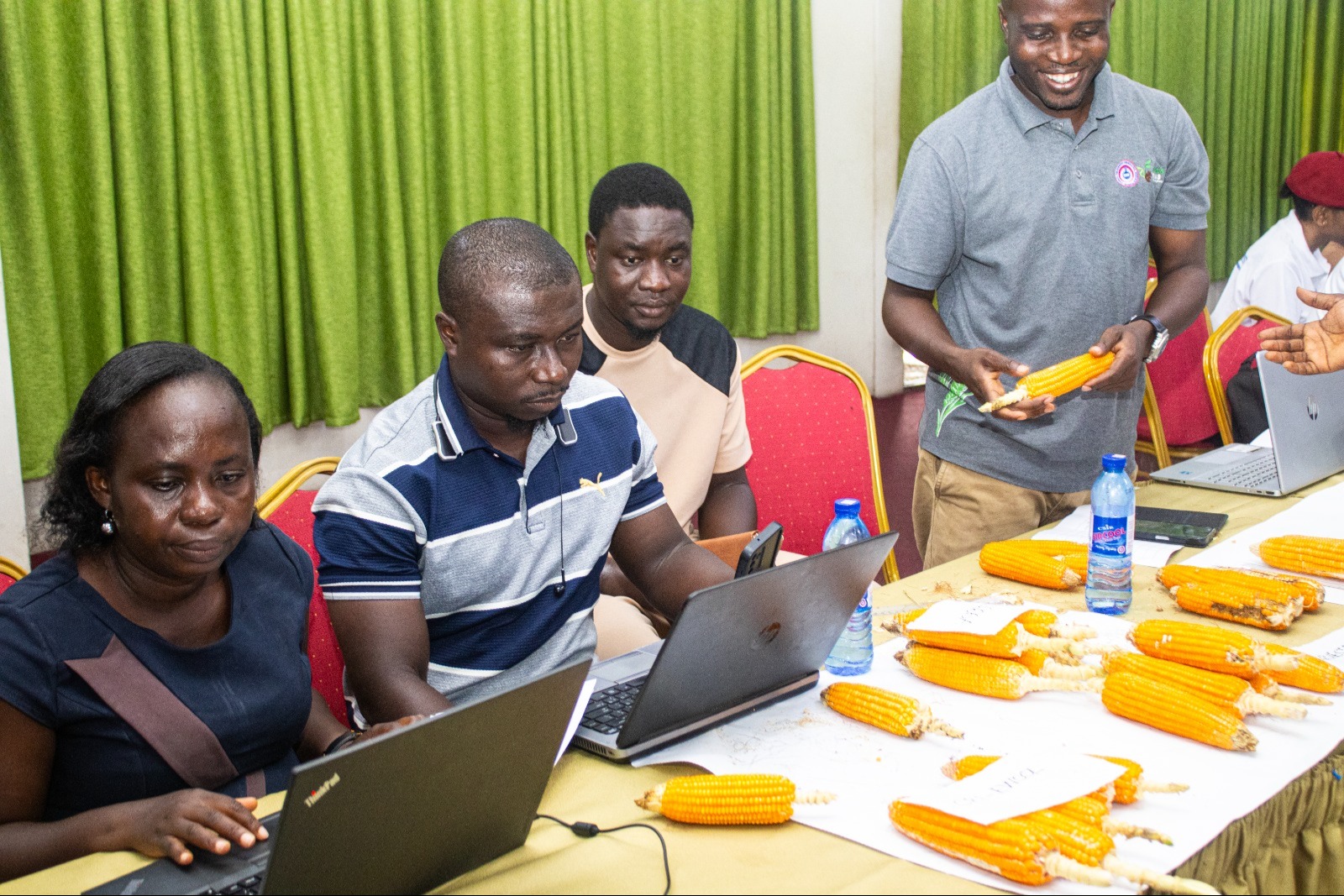
An important component of the workshop was a retrospective review and evaluation of activities undertaken under the National DUS Training Programme from 2024 to 2025.
Participants examined progress towards establishing a reliable national DUS database for maize, focusing on data collection, characterisation of reference varieties, harmonisation of descriptors, and challenges associated with data management and verification.
The status of the ongoing tomato DUS trial was also reviewed. Discussions covered field establishment, assessment of varietal characteristics in accordance with relevant guidelines of the International Union for the Protection of New Varieties of Plants (UPOV), uniformity assessment and data-recording procedures.
The review further provided an opportunity to reflect on the outcomes of the 2024 and 2025 training workshops, identify lessons learned, and share best practices for improving the delivery and impact of the current programme.
Participants emphasised the importance of continuity, accurate documentation, teamwork and consistent application of DUS procedures. The discussions also helped identify priorities for strengthening ongoing field trials and advancing the development of the national maize DUS database.
Practical Field Training in Maize Characterisation
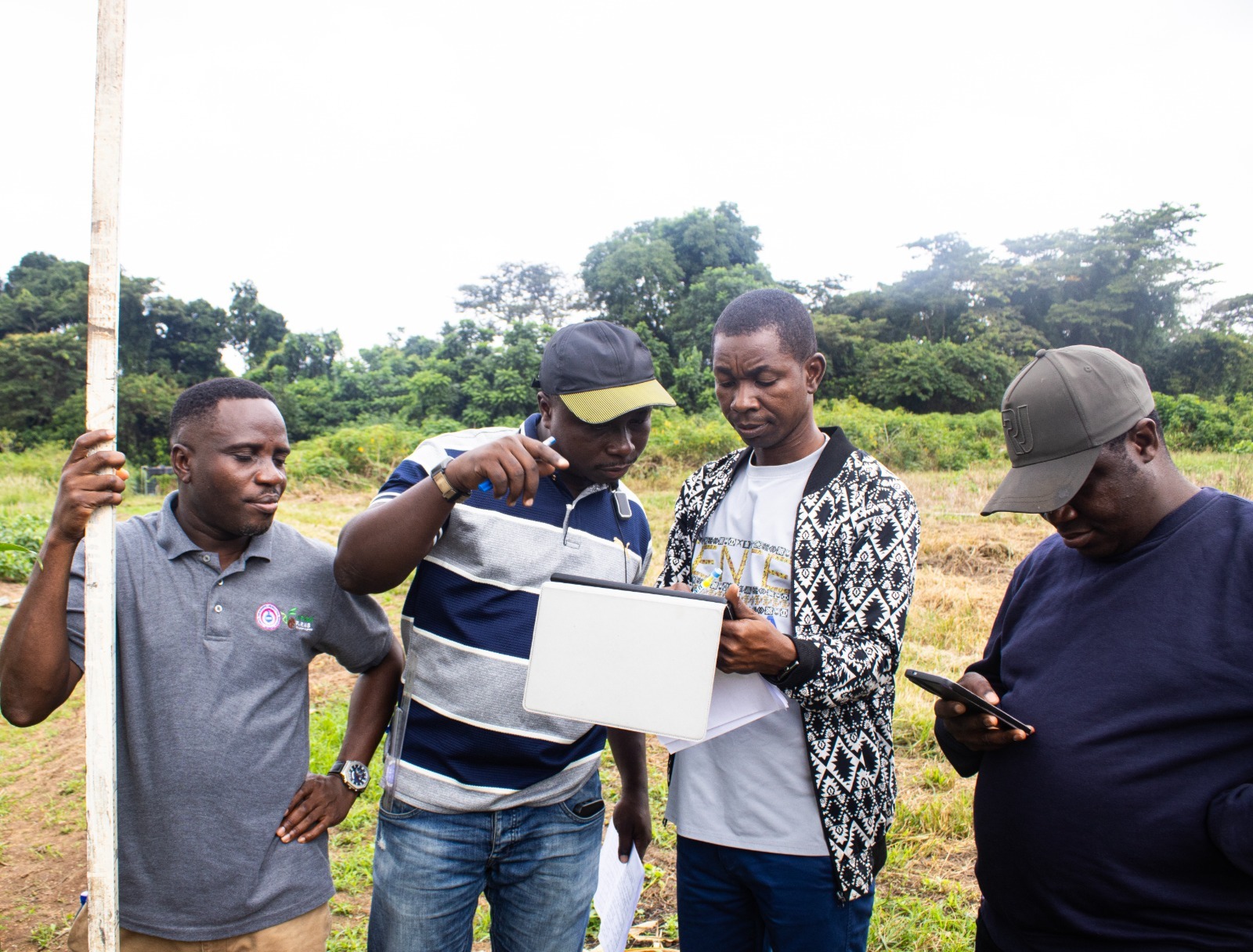
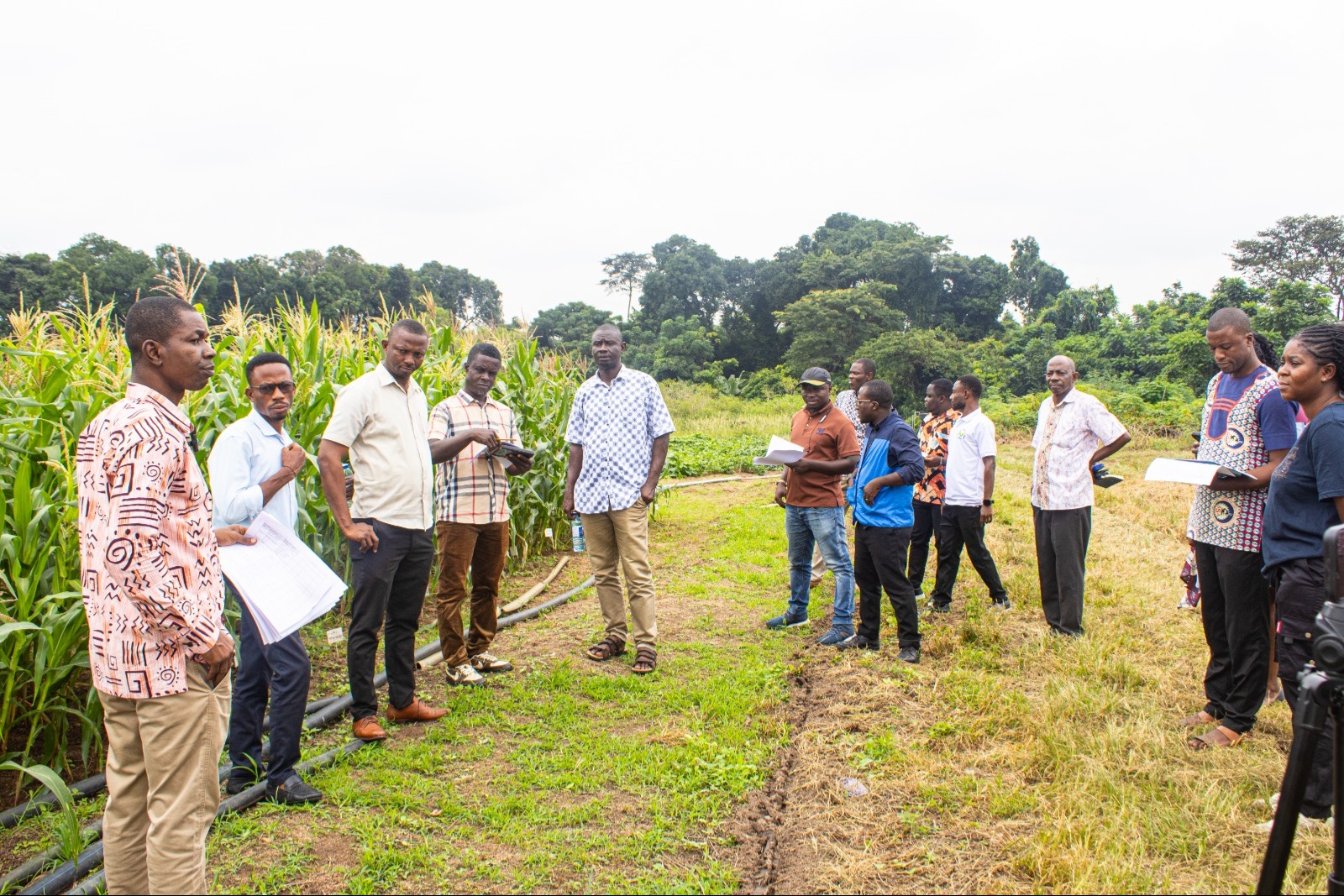
The practical component of the workshop focused on the characterisation of maize varieties using the relevant UPOV Test Guidelines.
Working in groups, participants conducted field observations and collected data on selected morphological and phenological characteristics of maize varieties, including Omankwa, Sanzal Sima, Wang Basig and Wang Nafaa.
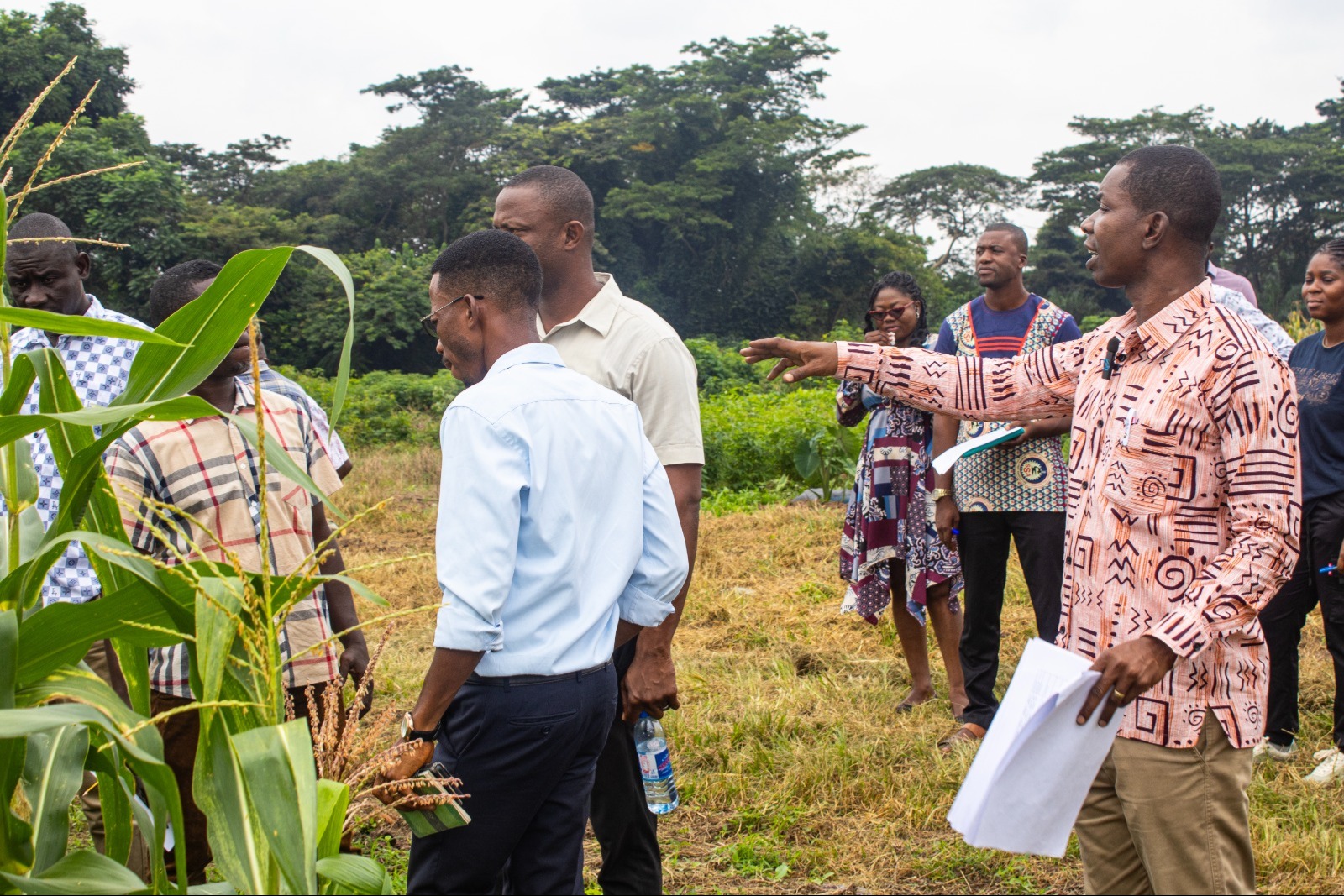
The exercise covered characteristics such as first-leaf anthocyanin coloration and apex shape, foliage intensity, leaf-margin undulation, leaf angle and curvature, tassel characteristics, anthocyanin coloration in different plant parts, lateral-branch characteristics, stem features, brace-root coloration, silk emergence, plant length and leaf-blade width.
Participants practised using standardised observation codes and scoring scales to record the expression of specific characteristics. The exercise highlighted the importance of observing plants at the appropriate growth stages and documenting findings accurately to ensure consistency and comparability in variety descriptions.
Observations were guided by the relevant developmental stages specified in the applicable test guidelines. Virtual technical support from Naktuinbouw experts Wim Sangster and Lizah van den Engel complemented the practical sessions.
Data generated from the exercise will contribute to refining the national maize DUS database and improving consistency among examiners in the assessment and recording of varietal characteristics.
Understanding Trial Design and Environmental Effects in DUS Testing
Participants also took part in a virtual technical session on Trial Design, Experimental Techniques and Environmental Effects, facilitated by Mr Wim Sangster of Naktuinbouw, the Netherlands.
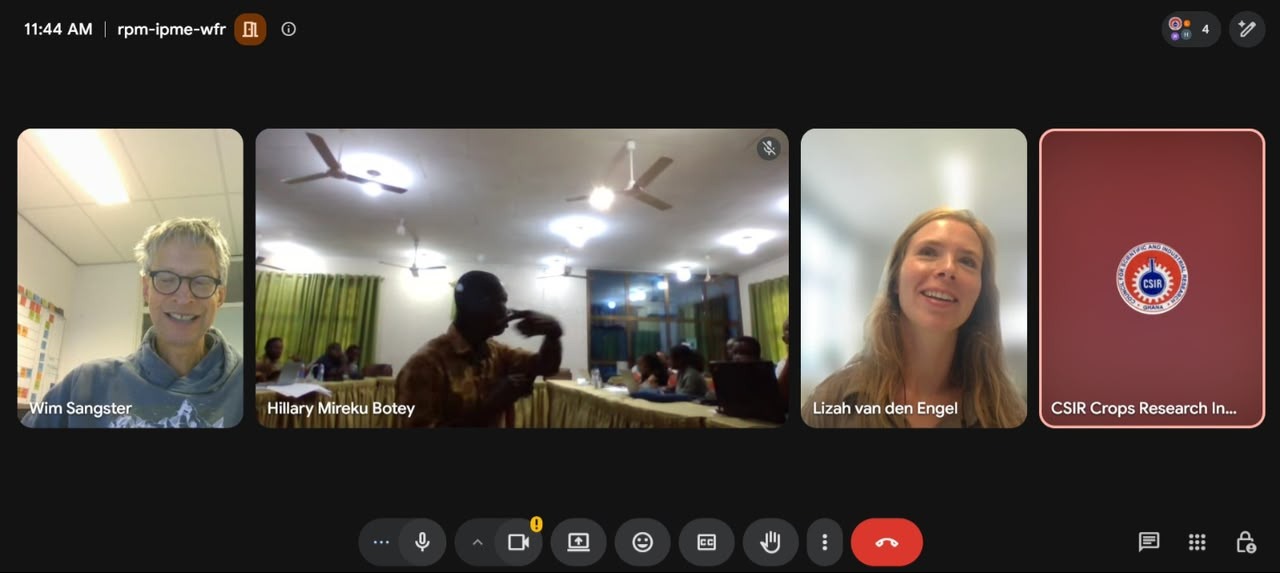
The session examined how environmental conditions can influence the expression of plant characteristics and the importance of minimising such effects to produce reliable, consistent and comparable variety descriptions.
Mr Sangster explained that although reference varieties help examiners harmonise their assessments, interactions between genotype and environment can still influence the expression of characteristics. He highlighted the need to manage environmental effects both within and between examination offices to support consistent assessments of distinctness and harmonised variety descriptions.
Drawing on examples involving Agave hybrids (× Mangave), pepper, cauliflower and disease-resistance testing, he demonstrated how differences in growing conditions, seasons, light, temperature and humidity can affect characteristics such as colour, anthocyanin expression, plant attitude, fruit size and earliness.
He also discussed the challenges associated with disease-resistance assessments, including incomplete expression of resistance under certain conditions.
Among the best practices highlighted were conducting comparable assessments under similar environmental conditions, maintaining consistency in sowing times and growing seasons, and using appropriate control varieties in disease-resistance trials. He further emphasised the importance of preparing in-house descriptions of foreign varieties to support accurate and consistent comparisons.
The interactive session enabled participants to engage with practical examples and deepen their understanding of the scientific principles underpinning reliable DUS examination.
Building National Expertise for Effective Plant Variety Protection
The Third National DUS Training Workshop represents an important step towards strengthening Ghana’s technical capacity for plant variety examination and supporting the effective implementation of the country’s plant variety protection framework.
Through collaboration with GHIPO and Naktuinbouw, CSIR-CRI continues to build the knowledge and practical skills required to develop competent national DUS examiners, improve the quality of variety descriptions and strengthen the country’s plant variety protection system.
The programme also reinforces the importance of sustained institutional collaboration, standardised examination procedures and reliable data management in protecting plant breeders’ rights and encouraging the development of improved crop varieties.
As Ghana strengthens its national capacity in DUS testing, CSIR-CRI remains committed to advancing agricultural research, supporting plant breeding innovation and contributing to a more robust plant variety protection system for the benefit of the country’s agricultural sector.