
CSIR-Crops Research Institute Trains Bono Region Farmers on Vegetable Production and Nutrition

Over 200 Farmers Equipped with Improved Skills and Quality Seeds under TAAT II Vegetable Compact Project.
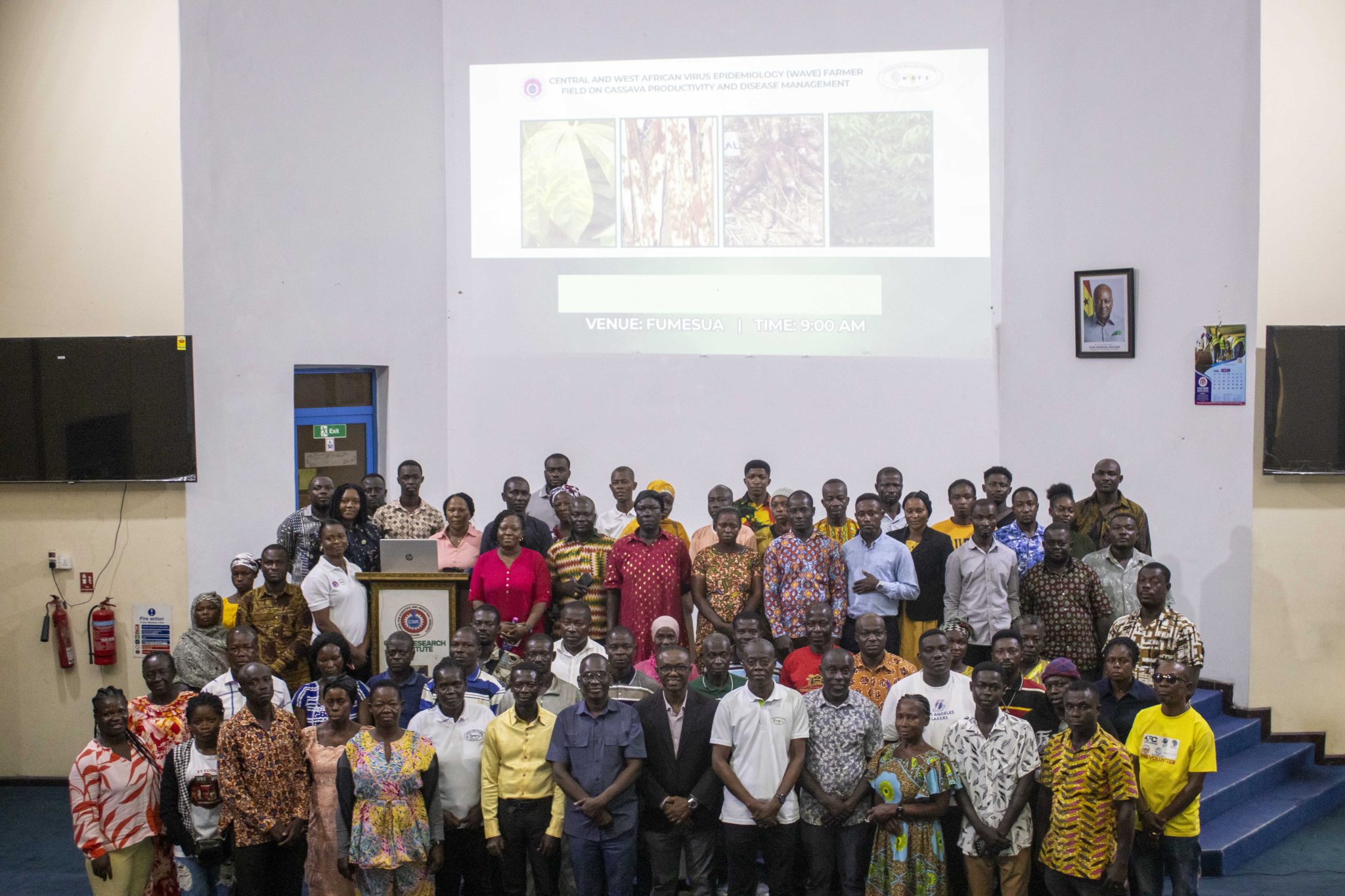
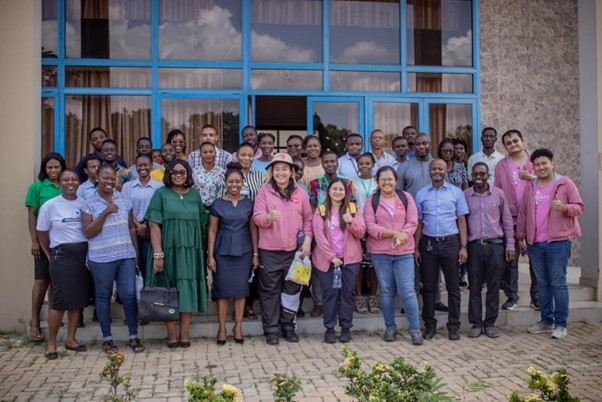
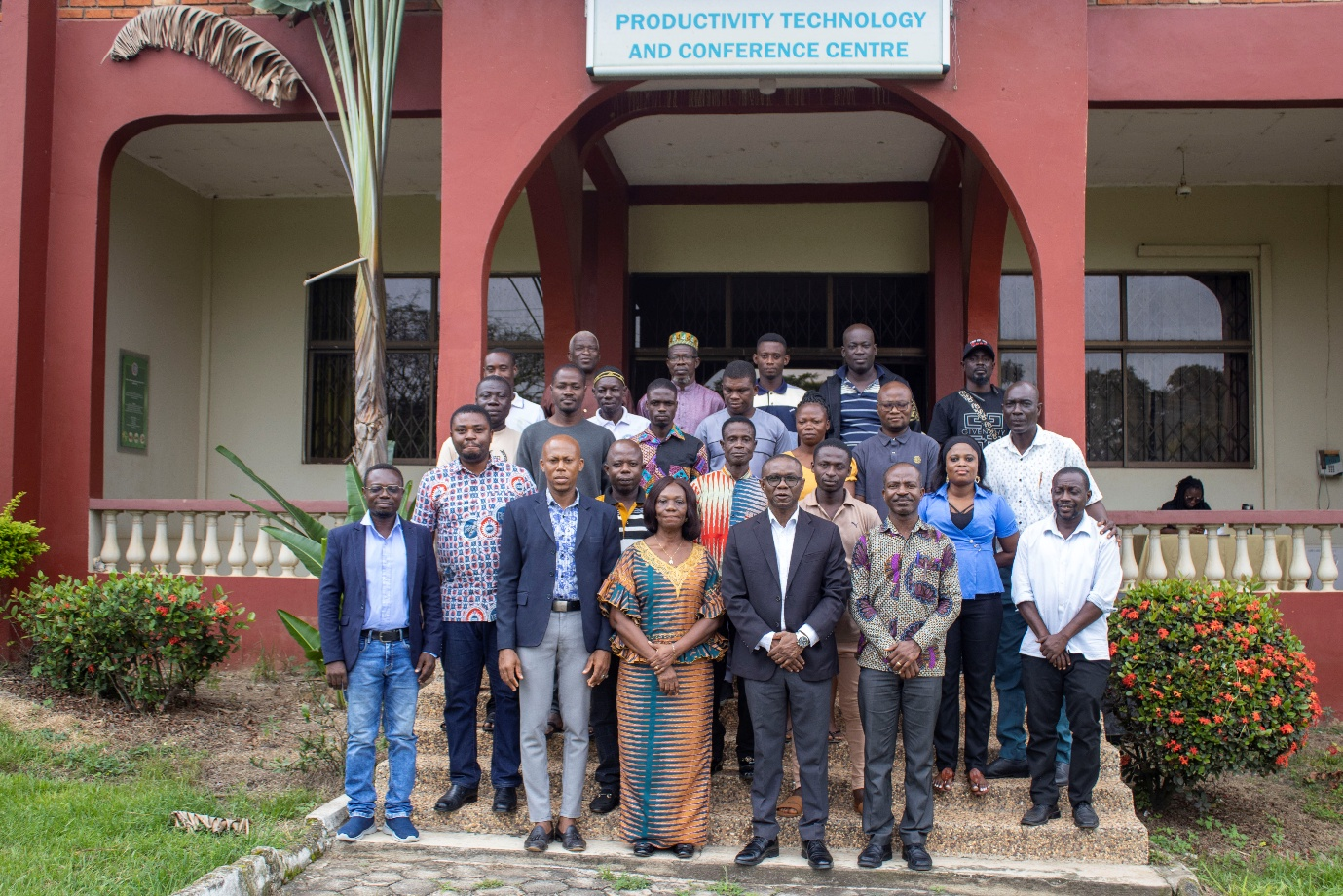
As part of efforts to improve vegetable production, nutrition, and farmer livelihoods, the CSIR-Crops Research Institute (CSIR-CRI), under the Technologies for African Agricultural Transformation (TAAT II) Vegetable Compact Project, organized a Vegetable Nutrition Campaign and Agronomic Training for more than 200 farmers in the Bono Region.

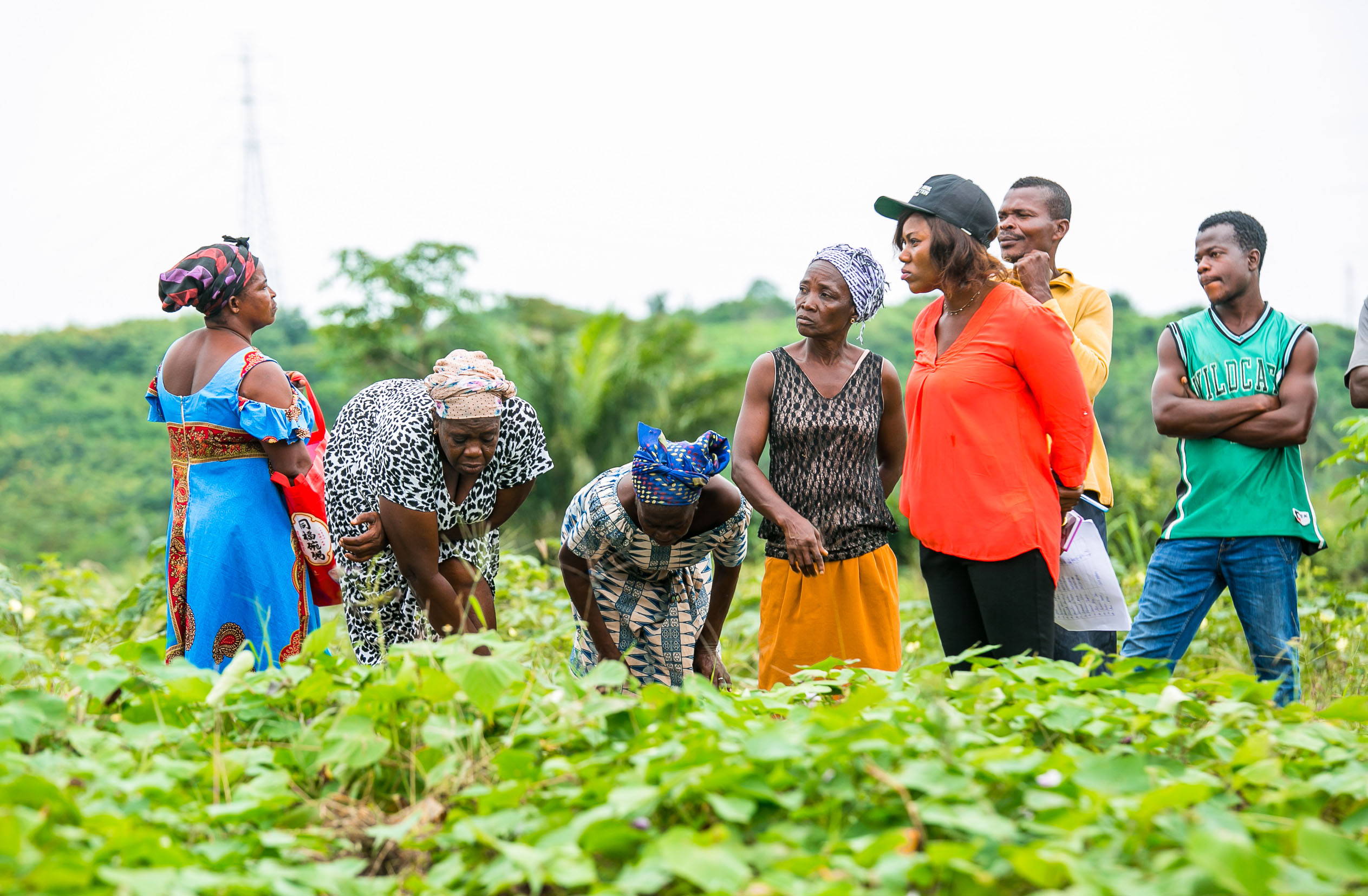
The training, held on Wednesday, 28th July 2026, at the Berekum West District Assembly, Jinijini, brought together farmers from Berekum West, Berekum East, and Dormaa East. The programme aimed to strengthen farmers’ knowledge of improved agronomic practices for tomato, okra, and amaranth production, promote the nutritional benefits of vegetables, and distribute improved seeds to support increased productivity.
Promoting Improved Vegetable
ProductionWelcoming participants, the Project Leader of the TAAT II Vegetable Compact Project, Dr. Michael Kwabena Osei, Principal Research Scientist and Vegetable Breeder at CSIR-CRI, expressed appreciation to all stakeholders for their support and participation.
He explained that the TAAT II Vegetable Compact Project seeks to support smallholder farmers in adopting improved technologies for the production of tomato, okra, and amaranth to increase productivity, improve household nutrition, and enhance farmer incomes.
Dr. Osei encouraged participants to actively apply the knowledge acquired during the training and share the improved production practices with other farmers within their communities to maximize the project’s impact. He expressed confidence that the adoption of these technologies would significantly improve vegetable production in the Bono Region.

Also speaking at the programme, Dr. Paul Zaato, representing the World Vegetable Center, the funding partner of the TAAT II Vegetable Compact Project, underscored the Centre’s commitment to promoting both the production and consumption of vegetables because of their immense nutritional value. He noted that increasing vegetable consumption is critical to improving household nutrition and public health. He explained that, through the project, farmers are being equipped with knowledge on good agronomic practices and provided with quality seeds to enhance productivity, increase incomes, and ensure sustainable vegetable production.
Stakeholders Commend the Initiative
The District Chief Executive for Berekum West District, Hon. Collins Asonah, commended CSIR-CRI and the TAAT II Vegetable Compact Project for bringing the intervention to the District. He urged farmers to adopt the improved production practices to increase yields and incomes.
Recognizing the challenge of water availability for dry-season farming, the District Chief Executive assured farmers of government support and pledged to facilitate the provision of boreholes to improve access to water for vegetable production.
Also addressing the gathering, Mr. Gabriel Tua, District Director of Agriculture, Dormaa West District, and Mr. Danso F. Kwesi, District Director of Agriculture, Berekum West District, applauded the initiative and encouraged farmers to work closely with Agricultural Extension Officers to ensure the successful adoption of the improved technologies.
Practical Training on Tomato, Okra and Amaranth Production
A major highlight of the programme was the practical agronomic training delivered by scientists from CSIR-CRI.
Dr. Michael Kwabena Osei led the session on tomato production, taking participants through nursery establishment and management, land preparation, transplanting techniques, fertilizer application, integrated pest and disease management, crop nutrition, and post-harvest handling. The interactive session allowed farmers to compare their existing farming practices with improved production technologies.
The training on okra production was facilitated by Mr. Prince Atta Baah, who guided farmers on quality seed selection, proper planting methods, recommended spacing, and fertilizer application to improve productivity.
For amaranth production, Mr. Joshua Atisu trained participants on land preparation, appropriate seed rates, nutrient management, and timely harvesting techniques to ensure continuous leaf production and higher yields.
To support the practical application of the knowledge gained, farmers received improved seeds of tomato, okra, and amaranth at the end of the training.
Promoting Healthy Diets through Vegetable Consumption
The programme also featured a nutrition education session delivered by Mrs. Baffowaa of the Women in Agricultural Development (WIAD).
She emphasized the importance of consuming vegetables as part of a healthy diet, explaining that vegetables are rich in essential vitamins and nutrients that strengthen the immune system, promote healthy growth, and contribute to overall well-being.
Highlighting the nutritional value of tomato, okra, and amaranth, she encouraged participants to include these vegetables regularly in their meals to improve the health of children, adults, and the elderly. She also noted that okra supports healthy digestion and promotes good bowel movement.
Farmers Express Appreciation
Participants expressed appreciation to CSIR-CRI and its partners for the practical training and quality seeds provided. Many farmers indicated that the programme had enhanced their understanding of improved vegetable production practices and the importance of nutrition, and pledged to apply the knowledge gained to improve productivity, household nutrition, and incomes.
The training forms part of the broader TAAT II Vegetable Compact Project’s commitment to strengthening sustainable vegetable production, improving food and nutrition security, and enhancing the livelihoods of smallholder farmers across Ghana.
Contributors: Lynda Gifty Serwaa Nsafoah, Clara Kwakye Boateng